
I slept in both and I’ll reveal which ultralight tent actually made me hike faster, pack lighter, and sleep better—ready to be surprised?
I test ultralight backpacking tents on trails and compare MSR Hubba Hubba LT with Big Agnes Copper Spur HV UL to choose which fits my needs for weight, livability, durability, and price.
Comfort Focused

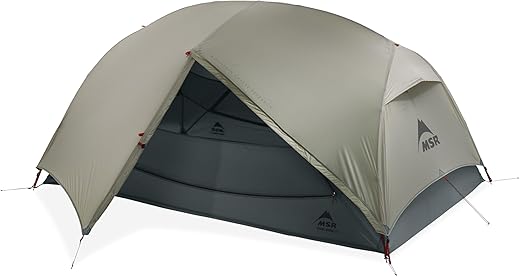
I find this tent to be one of the most livable ultralight two-person shelters — it balances interior space and functionality better than most. Setup is fast and the materials feel robust, though it carries a bit more weight than the absolute lightest options.
Ultralight Performance
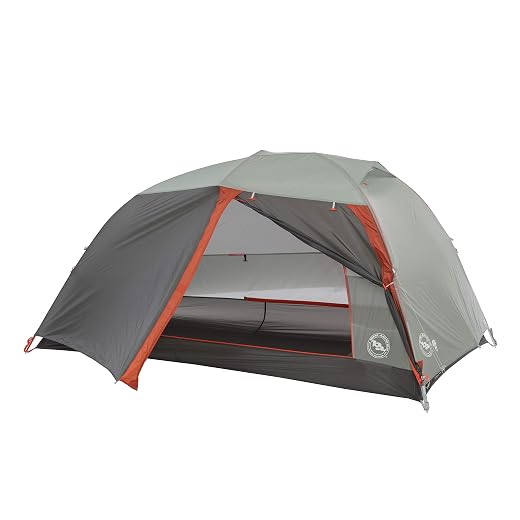
I appreciate how well this tent balances low weight and interior volume — setup hardware is smart and it feels engineered for real backcountry use. It’s a strong choice if you prioritize grams and thoughtful features, though the usable floor area can feel tighter compared with the most spacious models.
MSR Hubba LT
Big Agnes Spur
MSR Hubba LT
Big Agnes Spur
MSR Hubba LT
Big Agnes Spur
Fit for Purpose: Weight, Packability, and Setup
Weight on the trail
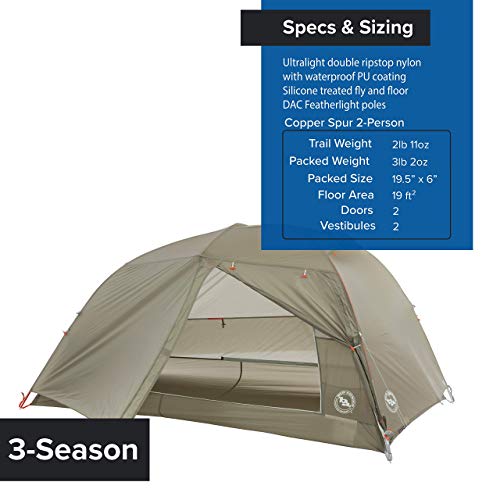
I compare the published trail/minimum weights to see which actually saves ounces on long miles. The MSR Hubba Hubba LT lists a minimum trail weight of 3 lb (1.36 kg), while the Big Agnes Copper Spur HV UL (listed weight 1370 g) is about 3.02 lb (1.37 kg). In practice they’re nearly identical; MSR has a hair’s‑edge on paper.
Packability
The MSR packs down slimmer: 20 x 5.5 in (51 x 14 cm). The Copper Spur’s stuff sack sits bulkier around 26 x 9 x 5 in. That slimmer MSR tube tucks better in an external pocket or alongside my sleeping pad; Copper Spur usually rides inside the main compartment.
Setup: speed and pitching in bad weather
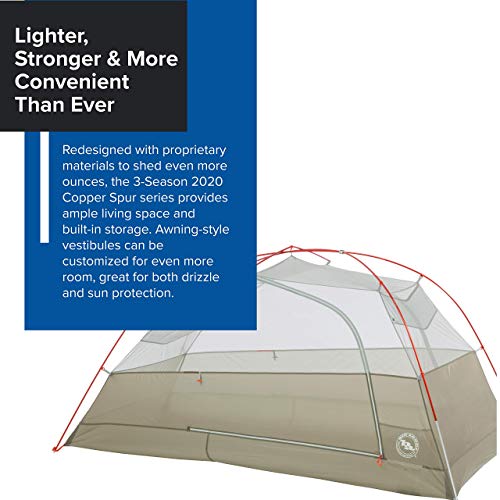
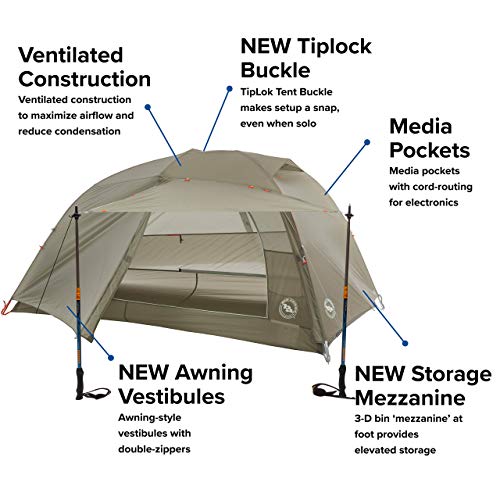
Both are freestanding, but setup feel differs. MSR’s unified hub and symmetrical clips let me erect it nearly blind in rain — fast and intuitive. Big Agnes’ hub-driven geometry and TipLok buckles give higher volume and superb tension once staked, but it takes a touch more time to align poles and secure awning vestibules. In wind or steady rain I can muscle up the Hubba quicker; the Copper Spur rewards those extra seconds with a roomier, taut shelter once guyed out.
MSR vs Big Agnes: Feature Comparison
Comfort & Livability: Interior Space, Ventilation, and Weather Performance
Interior space & doors
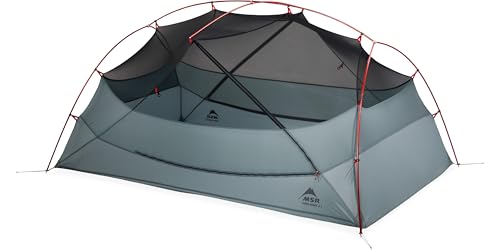
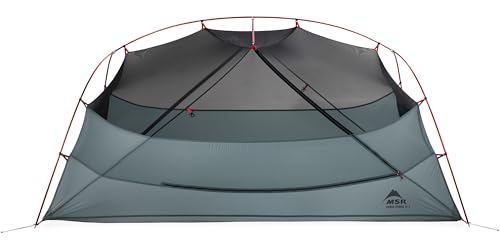
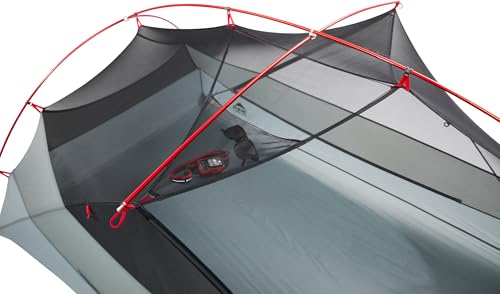
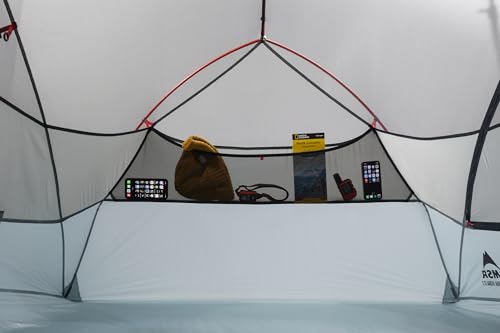
The MSR Hubba Hubba LT’s 32 sq ft floor and 40 in peak height made it plainly roomier for two with big rectangular pads and a couple of packs. Door placement is symmetric and zippers close to a single point — easy in the dark.
The Big Agnes Copper Spur HV UL (listed 19 sq ft floor, 40 in peak) felt tighter on paper, but the high‑volume pole geometry gave usable headroom where you need it most. Dual doors/vestibules and the awning-style vestibule expanded usable space for cooking in drizzle.
Ventilation, condensation, and weather
I slept multiple nights in steady rain and gusty wind. MSR’s mostly-mesh body and large kickstand vents minimized condensation — I woke with damp fly but a dry inner floor. The Hubba’s StayDry gutters kept vestibule drip off my gear.
Big Agnes, with more fabric panels and a tighter fly fit, trapped a bit more overnight moisture on calm, cool nights. When I staked and guyed the Copper Spur, its tensioned fly shed driving rain and handled wind better; without good guying it felt slacker and collected spray.
Durability, Materials, and Value: Construction, Hardware, and Support
Fabric, seams, and abrasion resistance
I like MSR’s solution‑dyed ripstop — it resists UV fading and looks less worn season after season. MSR also lists taped seams and a PFAS‑free DWR, which in my experience cuts down on seam leakage and long‑term fabric degradation. Big Agnes uses a proprietary ultra‑light nylon with double reinforced ripstop; it’s impressively light and tear‑resistant for its weight, but more panels and fabric joins mean more potential abrasion points over hard use.
Zippers, closures, and hardware
MSR’s no‑curve doors and simple single‑point zips are easy to manipulate with one hand and feel robust. Big Agnes’ double zips and TipLok buckles are clever — the TipLok both secures pole tips and tensions the fly, which reduces wear on corners. I’ve found Big Agnes hardware to be well thought out but slightly more complex to service in the field.
Poles, stakes, and real‑world holding power
Both use DAC aluminum poles; MSR’s unified hub system is stout and fast to pitch, while Copper Spur’s pre‑curved poles and 4‑way hub increase interior volume and stability. MSR includes Mini‑Groundhog stakes (chunkier, very secure); Big Agnes supplies ultralight J‑stakes that save weight but can slip in soft ground. Both tents accept stronger aftermarket stakes if needed.
Warranty and long‑term value
MSR offers a 3‑year manufacturer warranty; Big Agnes’ layered warranty (multi‑year/lifetime on select parts) is more generous. Street price favors Big Agnes for lower cost per season if you’re weight‑conscious; MSR costs more up front but I expect slightly longer rugged service under heavy use. My value judgment weighs your priorities: buy MSR for hard‑use longevity, Big Agnes for lighter‑weight day‑in/day‑out value.
Final Verdict: Which Tent I’d Choose
MSR: rugged reliability and simple setup — best for stormy, technical trips. Big Agnes: lighter, roomier comfort-for-two — ideal for fast-and-light, cozy two-person outings.
I pick the Big Agnes Copper Spur HV for balance of weight and livability; pick MSR for harsher weather. Ready?