
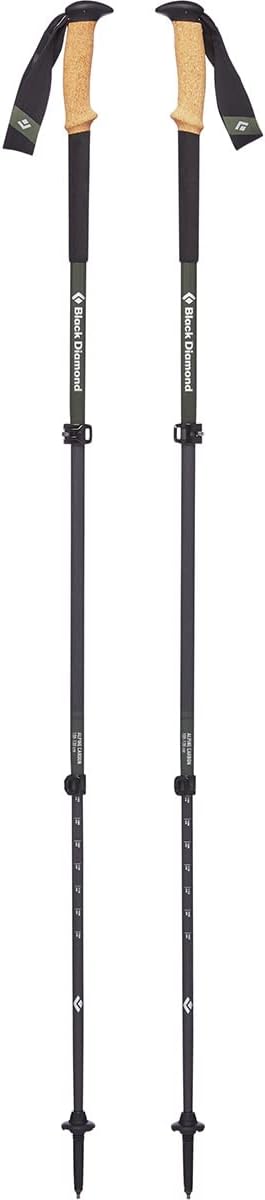
I pit-tested the Black Diamond Alpine Carbon Cork against the LEKI Makalu FX—so which pole surprised me by outperforming expectations in comfort, durability, and downhill control?
After slogging up steep trails and scrambling over rocks, I put Black Diamond Alpine Carbon Cork and the LEKI Makalu FX through real-world hikes to compare build, comfort, folding mechanisms, and trail performance; this guide summarizes my hands-on findings and helps you decide confidently today.
Alpine Performance

I appreciate how light and responsive these poles feel on long hikes and alpine approaches. The cork grip and build quality make them comfortable for multi-day use, though I noticed the locks need periodic attention under heavy use.
Packable Trekking

I like the compact packability and comfortable grip for technical days when space is tight. The folding system makes them extremely convenient for travel, though they trade a bit of absolute lightness and, in a few cases, have shown minor quality control hiccups.
Black Diamond Cork
LEKI Makalu FX
Black Diamond Cork
LEKI Makalu FX
Black Diamond Cork
LEKI Makalu FX
Design, Materials and Features — Side-by-Side Comparison
Construction & shafts
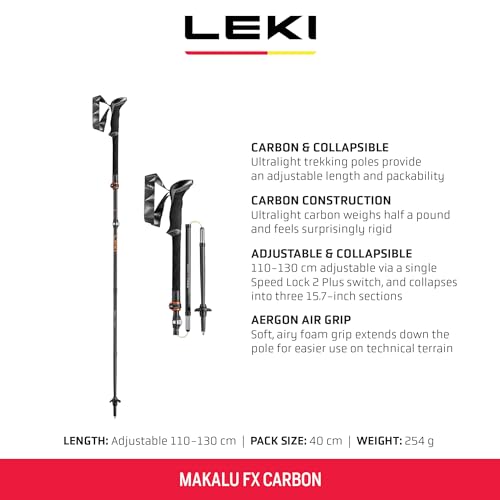
I inspected both poles for core materials and stiffness. The Black Diamond Alpine Carbon Cork uses 100% carbon fiber shafts (BD specs list ~0.36 kg), which feel very stiff for their weight. The LEKI Makalu FX also uses a PRC carbon shaft but in a collapsible, multi‑section build — LEKI lists ~508 g — so it’s slightly heavier overall but much more packable.
Handles, straps and comfort
The Alpine’s full natural cork grip conforms and wicks sweat; it also has a bloom foam extension for technical climbs. The Makalu FX uses LEKI’s Aergon Air/foam hybrid with an extended foam section and a fixed strap — very comfortable, especially for varied hand positions on long descents.
Adjustment, folding and packability
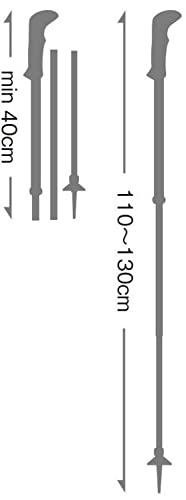
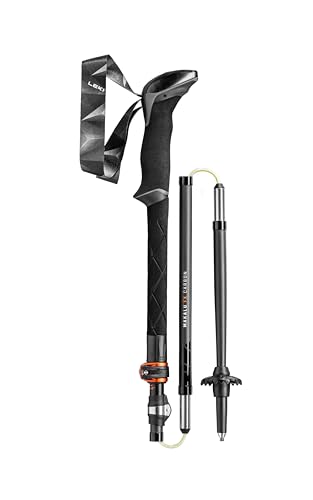
Black Diamond relies on a FlickLock-style lever for fast length changes and folds to about 61 cm. LEKI uses a fold-and-lock ELD/Speed Lock 2 Plus system and collapses to ~15.7 in (40 cm), which wins for backpack stowability.
Tips, extras and QC notes
I found the BD better for pure stiffness and grip feel; LEKI wins on compactness and convenience.
Feature Comparison Chart
On-Trail Performance, Comfort, Durability and Value
Steep climbs & rocky descents
On steep climbs the Black Diamond’s full carbon shaft and cork grip give me confident, planted pushes — the stiffness transfers power directly and the cork wick keeps my hand steady. On technical descents the BD feels more stable under heavy load; it resists bending and gives precise tip placement. The Makalu FX is surprisingly rigid for a folding pole, but I feel a touch more flex on heavy, punchy steps.
Mud, traction and tips
The Black Diamond’s interchangeable carbide Tech Tips bite in wet rock and frozen dirt; I used them in slick mud with fewer slips. LEKI’s short Flex Tip works well on packed trail but I reached for rubber boots sooner on greasy roots.
Folding, locking and packability
LEKI wins for travel — it collapses tiny and redeploys quickly with Speed Lock 2 Plus. I could stash it in a daypack without fuss. Black Diamond uses FlickLock for instant length changes and feels faster on the move.

Comfort, straps and vibration
Cork on the BD reduces vibration and stayed comfortable after 10+ miles. LEKI’s Aergon Air foam is plush and lets me shift hand positions easily, though I noticed slightly more transmitted buzz on rocky ground.
Durability, noise and value
After multiple outings BD showed minimal tip wear; FlickLocks may need an occasional tighten. LEKI’s joints held up but check the folding cord/finish on arrival. Value-wise:
Final Verdict: Which Pole I Recommend and Why
I declare the Black Diamond Alpine Carbon Cork clear winner — I prefer its cork handle comfort, reliable simplicity, and traditional adjustable strength. Choose the LEKI Makalu FX if you need ultra-compact folding for travel and rapid stowage.
My top pick: Black Diamond.