
Light, fast, and waterproof enough for solo trips — just bring a footprint and cautious optimism.
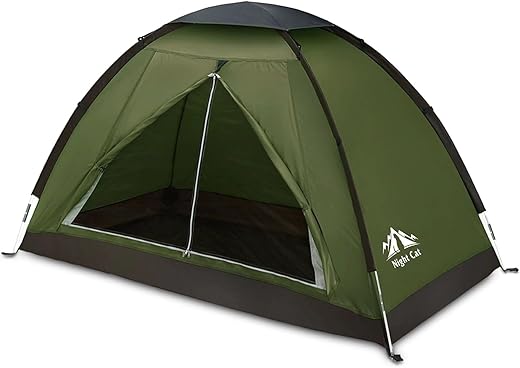
I’ve spent nights wrestling with heavy, slow-to-pitch tents and waking up damp from poor weather protection — so I was curious when I found the Night Cat Backpacking Tent. At around $40, it promises the backpacker’s dream: ultra-light carry, rapid setup, and real waterproofing without breaking the bank.
I took it out on a few solo hikes to see if the trade-offs were worth it. In short: it nails weight, ventilation, and speed of setup, making it a great budget pick for solo trips, but the single-layer design and thinner floor mean I’d add a footprint and treat seams for long-term peace of mind.
Night Cat 1-2 Person Lightweight Backpacking Tent

I find this tent an excellent budget option that balances low weight, weather protection, and speed of setup for solo trips. It’s roomy enough for one person and gear, but I recommend a footprint and seam treatment for long-term durability in harsh use.
Overview
I bought this tent because I wanted a compact, low-cost shelter I could throw into a rucksack for overnight hikes. The Night Cat single-layer dome uses 190T polyester with a quoted PU 3000mm rating and taped seams — features that give real confidence when rain rolls in. It’s designed primarily for one person, but with careful gear placement it can hold a small second occupant (child) or a medium pack.


Key features I appreciate
Quick-spec table
| Item | Detail |
|---|---|
| Inner dimensions | 7.0 x 3.8 x 3.6 ft |
| Weight | ~2.0 kg (4.4 lb) |
| Fabric | 190T Polyester, PU-coated (3000mm quoted) |
| Poles | Fiberglass (protected by shrink tubing) |
| Included | Guy lines, pegs, stuff sack |


How it performs in the field
When I pitched this tent after a long hike, setup took under two minutes once I practiced the pole sleeves. In rainy conditions the fly and taped seams shed water reliably; I experienced no obvious leaks in moderate storms. Ventilation works well through the mesh roof, though as a single-layer tent it still accumulates condensation on cold nights. The floor is thin compared with premium models — I now carry a lightweight footprint for protection and peace of mind.
Best-use scenarios (where I reach for it)
Tips and recommended accessories
Overall, I consider this tent a practical, no-frills shelter that delivers strong value for solo adventurers. With a few small upgrades (footprint, seam treatment) it becomes a dependable shelter for weekend trips and longer budget-minded backpacking outings.
FAQ
Realistically it’s built for one adult plus gear. You can squeeze two people in for short trips or emergencies, but it will be tight and gear storage will be limited. I use it for solo trips and treat any two-person use as a snug, short-term solution.
Single-layer tents tend to show more condensation because there’s no separate fly to collect and channel moisture. I keep the mesh vents open, use a small ground vent or open the door when feasible, and avoid drying wet clothes inside to reduce internal dampness.
The tent floor is waterproof but relatively thin. I always carry an ultralight footprint or a packable tarp — it protects the floor from punctures, extends the tent’s life, and reduces the risk of leaks where the material gets worn.
The fiberglass poles are cost-effective and perform well with careful use, but they can show wear at connection points and inside sleeves. I recommend practicing gentle assembly, reinforcing sleeves if you see abrasion, and carrying spare tape or a pole repair sleeve when traveling to remote areas.
I use it for three-season camping: fair to heavy rain, moderate winds, and cool nights. It’s not a winter mountaineering tent for heavy snow loads, but it handled late-fall backpacking and strong winds surprisingly well in my experience.
Adding a footprint and treating seams with a waterproof spray provide the largest gains in durability and weatherproofing. Upgrading peg quality and adding reflective guy lines also improves stability in wind without adding much weight.