
Why I Started Camping and What I Learned
I almost gave up after my first rainy, cold night — then one weekend changed everything. I went from nervous beginner to someone who enjoys simple, safe camping.
This article shares practical, beginner-friendly hacks I actually used: choosing affordable gear, minimalist packing, quick campsite setup, easy cooking, and staying comfortable and safe outdoors.



Choosing the Right Gear Without Breaking the Bank
Prioritize multi-use, durable items
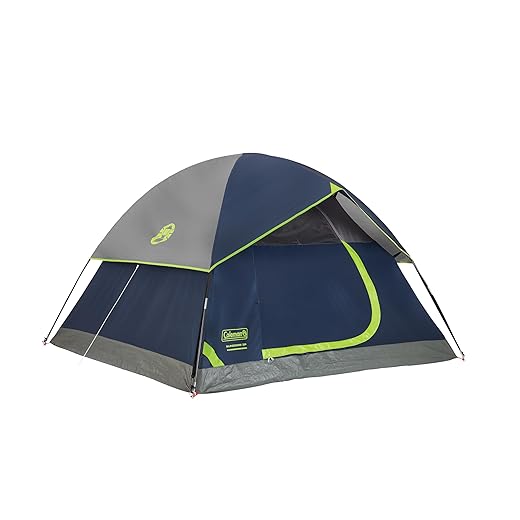
I stopped buying every gadget and focused on gear that pulls double duty: a tarp that becomes a picnic shelter, a bandana that’s also a pot holder. I picked slightly larger tents (a roomy 2‑person instead of a tight 1‑person) so gear and wet clothes don’t touch me at night.
Shelter and sleep system basics
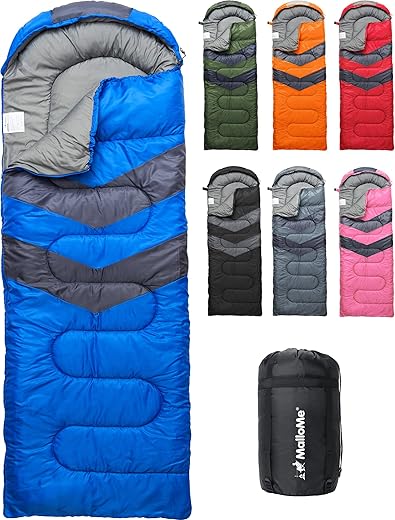
For sleep I balanced warmth and weight: an insulated pad (Therm-a-Rest NeoAir Xlite) plus a mid-weight sleeping bag (REI Magma 30) or a down quilt (Enlightened Equipment Revelation) if weight matters. Always test zip, seams, and insulation loft at home.
Budget strategies & quick testing
My rules:
Before a trip I pitch the tent, inflate the pad, and sleep in my bag at home. I carry a one-page checklist to avoid impulse buys and keep things simple — next up: packing smart and organizing that minimalist kit.
Packing Smart: My Minimalist Checklist and Organization Hacks
My packing categories
I pack by category so nothing gets forgotten: shelter, sleep, clothing, food, hygiene, tools, safety. Each category gets one stuff sack or clear zip-top bag.
Organization hacks that actually work
I use Sea to Summit stuff sacks and clear quart Ziplocks for smaller items, and always pack by use order—night items (headlamp, pjs, earplugs) go on top. For car camping I distribute weight across the trunk; for backpacking I trim bulk and keep heavy items close to my back.
Toiletries & tools I never skip
Simple clothing system
I pick interchangeable layers: merino base, insulating mid-layer, rain shell. One hat, one pair quick-dry pants, two socks.
Printable-style minimalist checklist:
Packed this way, setting up camp becomes almost automatic—next up: quick campsite setup.
Simple Campsite Setup: Fast, Comfortable, and Safe
Picking the spot
I look for flat, level ground on slightly higher soil (avoid hollows), clear of dead branches and roots, and sheltered from the prevailing wind. I test drainage by checking for puddles nearby — if water collects, move on.
My 30-minute setup routine
I work in clear steps: lay a footprint or tarp, pitch the tent with door facing downwind, stake and guy out, inflate pad and air the sleeping bag, then set a cooking zone at least 10–15 ft away and downwind. I always keep food and trash secured in the car or a bear canister.
Camping trips are easier with reliable light, so I pack a small lantern for the site center and task lights for inside the tent.
Comforts, safety & quick fixes
Next, I’ll show how this layout makes cooking and food prep painless.
Easy Cooking and Food Prep That Actually Saves Time
Stove & fuel choices I trust
I keep it simple: a canister stove like the MSR PocketRocket 2 for fast boils or a Jetboil Flash when I want one-pot speed. Isobutane‑propane canisters are compact; for ultralight trips I’ve used a small alcohol stove. I learned to carry one spare fuel canister.
One-pot recipes & lightweight cookware
My go-to meals are pasta with pre-made sauce, one-pot chili, and foil‑packet veggies — tasty, forgiving, and quick to clean. I favor a lightweight pot and a titanium mug that doubles as a bowl for oatmeal or soups.

Prep at home & portioning
I pre-measure pasta, spices, and freeze-dry servings into zip bags so dinner is dump-and-boil. Label portions to avoid carrying extras.
Storage, trash & critter tips
Store food in the car or a bear canister; use odor‑proof bags for smaller trips. Pack out trash in resealable bags and double-bag smelly items.
Breakfast, snacks & cleanup
Staying Comfortable and Safe Outdoors: Weather, Bugs, First Aid
Layering for changing weather
I use a three-piece system: a moisture-wicking base (merino or synthetic), a warm midlayer (light fleece or a thin puffy like a Nano Puff), and a breathable waterproof shell. Zip layers let me vent while hiking or sleep warmer by adding a hat and dry socks.
Quick rain solutions
My go-tos: a lightweight rain jacket (e.g., Outdoor Research Helium II), a cheap pack cover or poncho, and a zip‑locked dry bag for one spare set of clothes. For wet gear I hang it in the vestibule or wring with a bandana to speed drying.
Keep bugs away
Navigation habits
I bring a paper map and compass, save offline maps (Gaia/Maps.me), and keep a charged power bank as a phone backup.
Practical first-aid fixes
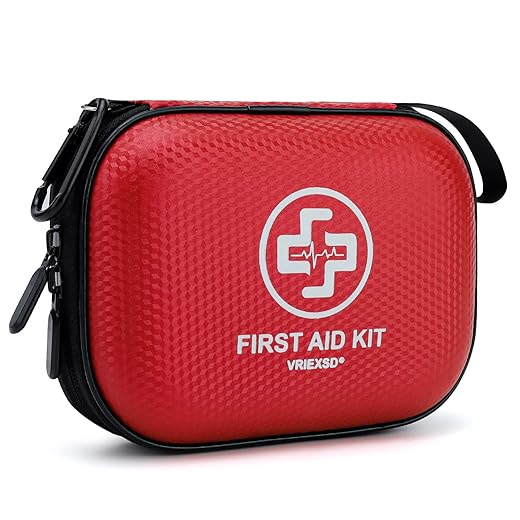
My small kit includes blister pads, antiseptic wipes, adhesive strips, tweezers, and an elastic bandage for sprains — quick, simple fixes that keep me on trail.
Next, I turn these routines into the habits that make camping joyful and repeatable.
The Joy of Simple Camping Hacks
I found that small, practical changes — basic gear choices, a minimalist pack list, quick campsite setup, simple meals, and a few safety habits — made camping less stressful and more enjoyable.
Try one small change on your next trip; confidence grows one trip at a time. Start with one tweak and build from there regularly.