

Opening My Path: Light Footfalls, Deep Repair
What if each step could be medicine instead of noise? I learned to walk with intention after a season of pain and hurried hikes. A small change—lighter packs, slower pace, closer listening—made my outings restorative.
I write from the slow, steady rhythm of my own walks. I show how low-impact choices rebuilt my body and cleared my mind. This is practical guidance and a gentle invitation.
Expect simple routines, mindful techniques, and gear choices that support repair. My aim is to help you use hiking as movement and as medicine. Walk lightly. Heal deeply.
I offer adaptable practices for beginners and longtime hikers to reconnect, recover, and find quiet strength outdoors every season.


Why I Chose Lightness: The Philosophy of Low-Impact Hiking
Principles of low-impact movement
I decided to hike differently when I noticed the ledger of wear: creaky knees, nagging hips, and a trail surface showing scars from aggressive booting. Low-impact hiking is a set of deliberate choices — pace, route, gear, and attention — that reduce cumulative stress on my body and on the land. It’s not slow as punishment; it’s precision. Each step is chosen to conserve energy and to leave less trace.
Reciprocity with the trail
When I step lightly I create a feedback loop: softer steps mean less erosion and less microtrauma to my tissues. This reciprocity feels ethical and efficient. On trails with exposed roots or steep descents, small shifts — shorter stride, midfoot placement, or a pole tap — protect soil and joint cartilage alike. Over time those tiny choices add up into fewer injuries, and longer seasons outside.
Mental shifts: curiosity over competition
Choosing lightness required a reframe. I traded speed for attention and mileage tallies for curiosity. Instead of racing to a summit, I started scanning for cast-off feathers, timing lichen blooms, and noticing how my breathing synced with the wind. The “talk test” became my pace gauge: if I can speak in full sentences without panting, I’m in a sustainable zone. That simple shift builds aerobic base and resilience far better than repeated red-line efforts.
Practical steps you can use today
I used to think restraint meant retreat. Instead, it became a method for endurance: by hiking lighter I go farther across seasons, not just in miles but in years of pain-free movement.
Preparing My Body: Gentle Conditioning and Injury Prevention
Why preparation matters to me
I learned the hard way that enthusiasm alone won’t protect a body over years of walking hills. Preparation is how I turn curiosity into durability. My roadmap emphasizes movement quality over mileage, letting me hike farther without cumulative damage.
Mobility routines I actually do
I start with three simple daily drills to maintain joint range and reset stiffness:
These take ten minutes and keep my gait fluid. On hike mornings I add leg swings (front-to-back, side-to-side) and ankle circles as a light activation.
Strength work tailored for hikers
I focus on single-leg stability, hip control, and controlled calf strength. My go-to exercises, twice weekly:
For bands and portable resistance, I use mini-loop bands and a longer band for pull-apart and row patterns in my hotel room. They’re light, packable, and versatile.
Quick warm-up sequence before a hike
I use a 6–8 minute progression: brisk 2-minute walk, dynamic leg swings (30 seconds), walking lunges (10 per leg), lateral band walks (20 steps), and 2 minutes of breathing-only cadence to sync effort.
Breathing and effort regulation
I practice diaphragmatic breathing daily: slow inhales for 4, exhales for 6. On climbs I match breath to steps (two inhale/three exhale) to avoid red-line efforts. The “talk test” remains my anchor: if I can converse, I’m in the sustainable zone.
Cross-training that preserves my joints
I alternate with low-impact activities: pool laps, cycling (stationary or road), and restorative yoga. These maintain aerobic fitness and give load-bearing tissues time to adapt.
Reading pain vs. productive discomfort
I track recovery markers—sleep quality, soreness pattern, mood, and resting heart rate. Increase weekly work by ~10% and back off if soreness swells or sleep dips. I treat sharp, localized pain, swelling, or night pain as stop signals and seek a physical therapist or sports medicine opinion when movement is limited or pain persists beyond a week.
Next, I’ll describe how I translate these preparations into on-trail practices that restore rather than deplete.
Packing with Purpose: Minimal Gear for Maximum Comfort
My selection philosophy
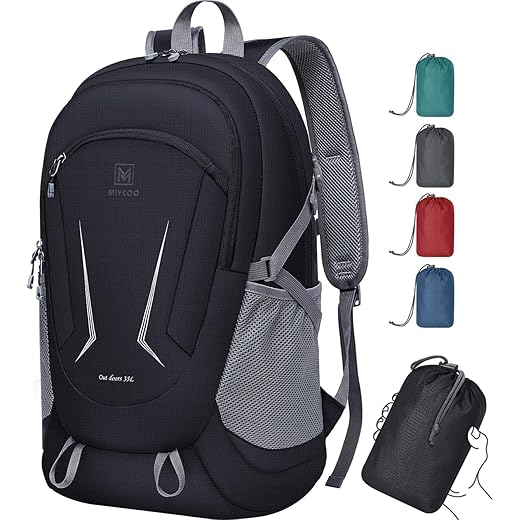
I choose gear that helps me heal: multi-use, light, and forgiving. Instead of a checklist that grows every trip, I ask, “Will this reduce strain or just add it?” The result: fewer shoulder aches, less lower-back fatigue, and more attention to the walk itself.
Key categories and specific picks
I prioritize: a supportive but cushioned shoe, a pack that transfers load to my hips, and systems to manage water without hauling unnecessary weight.
Compact first-aid and recovery tools
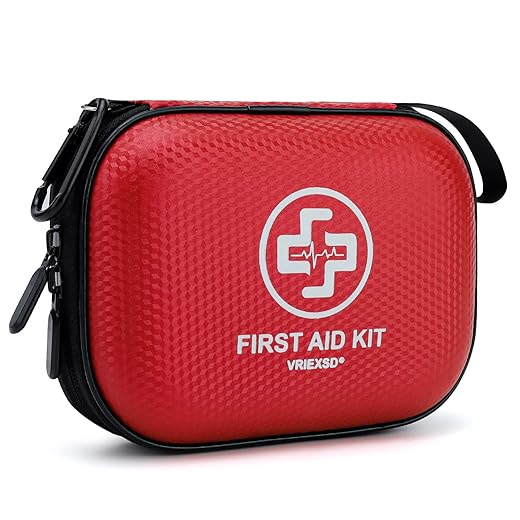
I never skip a small, organized first-aid kit and a few recovery essentials: blister plasters (Compeed), friction-reducing balm (Body Glide), a compact foam roller or massage ball, tape for toes, and a bandage roll.
Practical packing lists
Day restorative hike (10–12 km, single day, cool weather)
Overnight restorative trip (1 night)
Pack fit to protect my body
I measure torso length, set the hip belt over my iliac crest, and load heavy items close to my spine and high on the hips. Tighten load lifters, center shoulder straps, and adjust the sternum strap to prevent shifting. I test with a weighted sack before a long hike—if the pack moves, it will cause hotspots and blisters.
Next, I translate this simplified kit into on-trail habits that restore rather than deplete.
On the Trail: Mindful Techniques That Restore
Cadence, Breath, and Attention
I walk like I’m coaxing my body to remember ease. I match a steady cadence to a breath pattern—three steps inhale, three steps exhale on flats; two-two on steeper pitches—so breathing becomes a metronome that prevents panic and excessive effort. Attention follows the breath: I scan for footholds, notice the temperature on my forearms, and let sound map the terrain. That gentle focus turns a hike into a moving meditation: thoughts slow, choices simplify, and my nervous system downshifts.
Staggering Effort: Pace-Pulsing and Micro-Breaks
When a climb yawns ahead, I use pace-pulsing—alternate 5–7 minutes of purposeful, brisk steps with 1–2 minutes of very easy walking or deliberate standing rest. This preserves aerobic efficiency and prevents lactic build-up.
I sprinkle frequent micro-breaks: 20–40 seconds to drink, scan the map, and do a quick shoulder roll. These tiny pauses reset posture and prevent cumulative fatigue. On a recent 8-km ridge I kept the pulses and arrived with my knees calm and energy intact, not depleted.
Technical Footwork and Micro-Mobilizations
On rock, roots, or scree I place my foot intentionally: light midfoot contacts, toes ready to grip, and weight directed through the hips—not the knees. Use the terrain as a partner: step on protruding edges, avoid overreaching, and test suspect holds with a trekking pole before committing.

Short mobility drills during breaks keep joints friendly:
These take less than two minutes and stop stiffness before it starts.
Nutrition, Hydration, and Listening to Signals
I eat small, frequent calories—an energy chew or nut-butter packet every 40–60 minutes—so blood sugar never crashes. For recovery support, I add a protein-rich snack (jerky, cheese stick, or a small shake) every 2–3 hours on longer outings. I sip regularly: roughly 250–350 ml every 20–30 minutes in moderate conditions, more when it’s hot or I’m working hard; electrolytes are a simple addition when sweat is heavy.
If my body whispers—tighter breath, nagging joint ache, or slowed step—I respond immediately: longer rest, reduce pace, or reroute. Slowing early keeps the hike restorative and avoids the “finish at a cost” mentality.
Emotional and Cognitive Returns
Practicing these techniques calms my inner voice. Rumination thins, decisions on tricky routes become clearer, and a quiet belonging to the landscape grows—like being welcomed rather than conquered. These on-trail habits prime me for the recovery rituals that follow, where I translate momentum into sustained healing.
After the Hike: Recovery Rituals and Integrating the Lessons
Immediate Cool-Down: Finish Softly
I never stop abruptly. Five to ten minutes of easy walking lowers heart rate while a short standing stretch sequence releases the major players: calves, hip flexors, hamstrings, and pecs. My go-to moves (30–45 seconds each): calf wall stretch, half-kneeling hip flexor, seated hamstring reach, and a gentle doorway chest opener to unknot hiking posture.
Targeted Rolling and Self-Massage
Once home or at camp I spend 5–10 minutes on problem areas—quads, IT band, glutes—using focused pressure rather than aggressive pounding. A dense roller loosens adhesions; a lacrosse ball finds stubborn trigger points around the hips and scapula.

If you’re choosing gear, a smooth high-density roller (like the Amazon Basics) is more forgiving and travel-friendly than a firm, grid-style roller (TriggerPoint GRID) which is grippier for deeper work.
Compression, Elevation, and Contrast
When legs are tired I use graduated compression socks (CEP, Zensah) for flights or long descents. Fifteen minutes of elevating my feet after a long day cuts swelling fast. If I’m sore the next morning, a 60–90 second contrast shower—cool then warm—wakes circulation without overstressing tissues.
Refueling: Real Food, Fast
Within 30–60 minutes I prioritize carbs + protein:
Electrolyte tablets or a salty snack (olive packet, pretzel bites) help when I’ve sweated. I avoid oversized meals that push digestion and sleep.
Sleep and Gentle Return
I treat post-hike nights as sacred: cool, dark room, no screens for 60 minutes before bed, and 7–9 hours targeted. A short magnesium routine (Epsom salt soak or supplement) helps if my sleep is restless.
Weekly Rhythm and Tracking
I keep a simple hike log: distance, elevation, RPE (1–10), mood, key aches, recovery steps taken. That note-taking taught me to alternate a harder hike with an easier one, add two active-recovery days (swim, walk, restorative yoga), and schedule two short mobility/strength sessions for resilience.
Translating Trail Lessons into Life
The trail’s cadence—simplicity, attentiveness, paced progress—becomes my template at work and home: I break big tasks into pulse-and-rest, check in on tension before it becomes pain, and let small rituals (a 3-minute stretch, a mindful breath) accumulate into deeper repair.
With those rituals in place, I find each outing leaves me restored, not depleted, and ready to carry the practice forward into everyday life.
Carrying the Quiet Forward
Hiking lightly has become my path to deeper healing—physically steadying my body, mentally clarifying my mind, and spiritually widening my sense of belonging. Each deliberate step teaches restraint, curiosity, and reverence for limits rather than conquest.
I invite you to experiment: begin small, pare down gear, slow your breath, and listen. Let the trail teach pace and patience. Make this a sustainable practice that nourishes rather than depletes; return often, reflect honestly, and let quiet habits compound into resilient grace. Carry these lessons into everyday life and share them when you can. Start again next week.