
Can ten pieces of kit make the outdoors feel like home? Spoiler: yes — fewer frozen toes, hot meals, and better naps.
I once woke up on a ridge with ICE in my sleeping bag. That one night taught me faster than any blog post that the right gear matters more than bravado.
I pack for warmth, cookability, and weight — in that order. These ten pieces keep me comfortable, fed, and moving on trails from spring melt to winter storms. They’re simple, dependable, and actually save me time and sweat when it matters most.
Top Picks
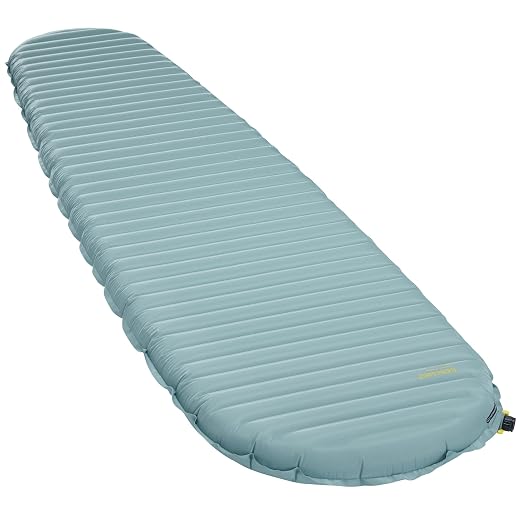


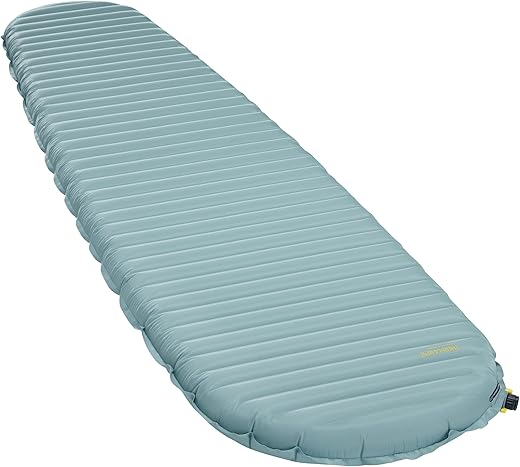
Ultralight High-R-Value Insulated Air Pad
This pad gives me exceptional insulation for its weight, making it my go-to for cold nights and alpine use. The Triangular Core Matrix and reflective ThermaCapture work together to keep ground chill at bay.
Why I trust this pad on cold nights
When cold weather insulation is non-negotiable, I reach for this ultralight, high-R-value pad. Its Triangular Core Matrix and ThermaCapture reflective layer provide exceptional warmth without packing the bulk of foam pads. I’ve used it on chilly shoulder-season nights and felt the difference right away.
Features that matter in the field
I appreciate that it comes with a pump sack and a patch kit; the pump avoids mouth moisture getting into the pad and helps with cold-weather inflation. On multi-day alpine trips its weight savings add up, and the warmth means I can sleep in a lighter bag or carry fewer insulating layers.
Caveats and practical notes
This pad is an investment — the price reflects its cutting-edge construction. It can make a light crinkling noise when I turn over, which earplugs solve for me. I always use the provided valve carefully, especially in freezing temps, and pair the pad with a compatible sleeping bag and groundsheet for best performance and durability.
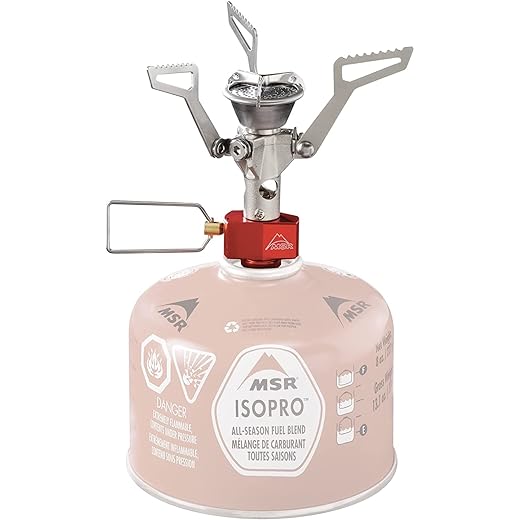
Ultralight Folding Canister Backpacking Stove
I rely on this stove when weight and packability matter most. It delivers fast boil times, simple operation, and predictable performance across seasons.
Why I carry this stove
I bring this ultralight folding canister stove on almost every overnight hike where I’m trying to save grams. Its design is brutally simple: unfold, thread the canister, light, and you have a reliable cooking flame. The speed of the boil and the weight-to-performance ratio are what keep it in my kit.
Key features and real-world benefits
I like that I can fit the stove inside a cup or a small hard case and still have room for a micro canister. On windy exposed ridgelines I add a small windshield and it still performs well; on calm nights it becomes my go-to for coffee and quick freeze-dried meals.
Limitations and practical tips
I do keep a few practical caveats in mind. Very small-diameter pots can make the setup tippy, so I pair the stove with cookware that has a reasonable footprint. Also, fuel logistics matter: I carry the right size canisters for trip length and check availability when traveling internationally. For longer trips or winter use I may choose a stove with integrated regulator performance, but for most three-season use this stove is a brilliant, low-fuss choice.
Insulated Wide-Mouth Stainless Steel Bottle
I use this bottle daily for hikes and commute days because it reliably keeps drinks cold or hot for long periods. The wide mouth and durable finish make it versatile and easy to maintain.
Why I carry this bottle everywhere
This insulated stainless bottle strikes a great balance between durability, thermal performance, and everyday convenience. I rely on it to keep water icy on long summer hikes and hot tea on cold mornings; the insulation really does make a meaningful difference over the day.
Notable features and field use
The flex cap is comfortable to grab and the handle makes attachment to pack straps simple. I also appreciate that the bottle doesn’t retain flavors; I can switch from coffee to water without residual taste. For multi-day use I pair it with insulated sleeves or toss it into a side pocket for quick access.
Practical notes and trade-offs
It’s heavier than single-use or plastic bottles, so I consider that when ultralight weight is critical. The wide mouth can drip if you’re trying to sip while moving; in that case I swap to a straw cap. Overall, the bottle’s reliability and build justify its place as a year-round staple in my kit.
Ultralight Bikepacking Two-Person Tent
I value this tent for its thought-out bikepacking features and ultralight strength. It packs small, sets up quickly, and offers a surprising amount of livable space for its trail weight.
Where this tent fits in my kit
I use this tent when bikepacking or ultralight touring because it balances livable interior volume, packability, and features that suit two-wheeled travel. The short-stick pole set and thoughtful attachment points make it easy to stow on handlebars or in panniers.
Practical features I appreciate
Inside, the tent feels roomy relative to its weight, and the ceiling pockets and helmet storage add daily convenience. In stormy weather I stake and guy it out properly and it has kept me dry on heavier showers. The included stakes are adequate, and I recommend carrying a small repair kit and footprint for extra durability in rough campsites.
Considerations before buying
If you’re looking for a heavy-duty four-season tent you’ll want something beefier, but for three-season bikepacking this tent is hard to beat. I treat the tent with respect — careful site selection and a footprint lengthen its life. For riders who want bike-specific tie-ins and very small packed size, this tent delivers.
Compact Integrated FluxRing Cooking System
This system boils quickly and offers precise simmer control that I can trust to cook beyond just boiling water. The all-in-one design makes packing and cooking simpler on multi-day trips.
What it is and why I like it
I use this compact cooking system on trips where speed and convenience matter. The FluxRing technology and the integrated cup create a highly efficient heat transfer system — I can boil water for a meal or coffee and have leftover fuel for a second use, which is huge when weight and resupply are considerations.
Standout features I appreciate
Because everything nests and the ignition is built-in, I don’t need separate lighters or loose parts. I’ve used it for breakfasts, soups, and quick sautés; the simmer control makes a surprising difference when I want to avoid scorching or overboiling.
Trade-offs and usage tips
It’s heavier than the simplest pocket stoves and costs more, but the time saved and fuel efficiency justify the investment for me. Protect the igniter when stuffing the unit into tight bags, and if you want to use larger pots bring the included pot support or a compatible adapter. For minimalist ultralight trips I sometimes swap it for an even lighter stove, but for car-camping to fast backpacking this system is regularly in my pack.
Windproof Radiant Burner Stove System
This stove system keeps boiling times steady in windy or cold conditions where other stoves falter. I value it when I need predictable fuel consumption and a protected burn.
When I choose this system
I reach for this stove when I expect wind, low temperatures, or when I want maximum fuel efficiency in the field. The radiant burner and regulator combine to keep the flame steady, which means shorter boil times and less wasted fuel — critical on longer trips or in cold-weather outings.
What performs well for me
I’ve used it on alpine-style outings and windy coastal camps where other open-burner stoves slowed dramatically. The integrated pot/cozy and the way components nest make it easy to stash in my pack and deploy quickly when the weather turns.
Practical limitations and advice
This is not the lightest or cheapest option; it’s a performance-centered choice. For ultralight day hikes I prefer something smaller, but when fuel efficiency and weather resistance are priorities, I accept the added weight. I also carry spare O-rings and follow the manufacturer maintenance recommendations to keep the regulator performing optimally.
My experience with this pad
When I want a comfortable night's sleep on multi-day hikes without adding much weight, I pick this insulated ultralight pad. The Air Sprung Cell structure distributes pressure and feels more like a mattress than a narrow air pad, which helps me sleep on my side without bottoming out.
What stands out to me
I appreciate the quiet top fabric compared with rougher nylon pads; it reduces rustling that can wake a partner in a small tent. It’s especially good on cool spring and fall nights when I want a little more plushness without the bulk of a heavier pad.
Limitations and care tips
I wouldn’t use this pad as a primary winter pad — the R-value is limited for below-freezing nights. A few reviewers (and my own long trips) suggest checking seams and avoiding contact with campfire embers or sharp rocks; carrying a footprint or groundsheet helps extend the pad’s life. Proper drying and occasional inspection prolong its usefulness.
Adjustable Shock-Absorbing Trekking Poles
The shock-dampening system noticeably reduces vibration and hand fatigue on long descents. The FlickLock adjustability is quick and reliable for changing terrain and hiking partners.
Why these poles are in my pack
I use trekking poles to protect my knees and maintain balance on technical descents, and these poles hit a sweet spot: they’re light, adjustable, and include a shock-dampening element that eases impact. That cushioning matters on long miles and hard surfaces.
Features I rely on daily
They fold and pack compactly when I switch from hiking to scrambling or when stashing in a vehicle. The pole tips accept rubber boots for pavement and baskets for snow or mud, making them versatile across seasons.
Durability notes and best practices
I treat any trekking pole as a piece of safety equipment: check clamps and joints before long trips and avoid extreme torsion loads. While many users enjoy years of service, a small number have experienced failure under heavy levered loads; carrying a lightweight repair sleeve or spare strap has saved me from being stranded in a couple of tight spots.
Durable 3L Hydration Reservoir with Bite Valve
I appreciate the big bite valve and rapid-flow design that let me drink more easily while moving. The reservoir is robust, mounts securely in packs, and is straightforward to clean after trips.
How I use this reservoir
On long hikes and hot summer days I prefer a hydration bladder for constant access to water, and this 3-liter reservoir gives me good capacity with easy sipping. The big bite valve and on/off lever mean I can seal the tube quickly and avoid drips when I’m not drinking.
Practical design highlights
I always flush and wash the reservoir before first use to avoid any plastic taste; once conditioned it stores water cleanly for day hikes. The robust materials stand up well to frequent use, and the reservoir fits a wide range of daypacks and multi-day backpacks.
Trade-offs and usage tips
Remember that full water weight is significant — I plan fill levels according to terrain and resupply points. For extended trips I carry cleaning tabs or a brush kit to avoid growth in the tube. If you prioritize ultralight setups, a smaller reservoir might be a better fit, but for one-day outings and fast access to fluids this model is hard to beat.
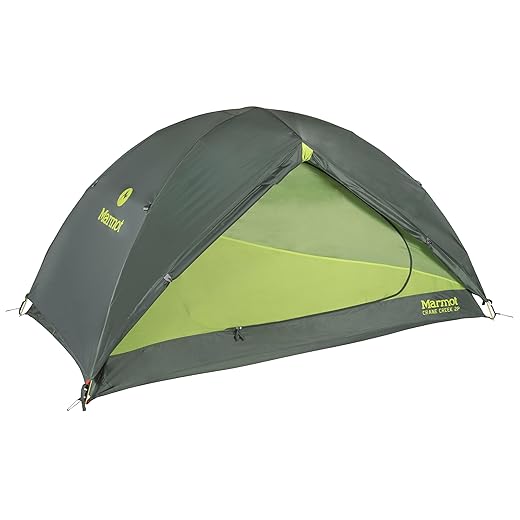
Reliable Two-Person Backpacking Tent
I find this tent a dependable, value-oriented option for typical backpacking and car camping. It balances durability, weather protection, and straightforward setup for most three-season trips.
My take on this tent
I often recommend this tent to friends who want a reliable, easy-to-use shelter that performs well in rain and wind. It doesn’t chase ultralight numbers, but the seam-taped fly and solid pole structure make setup effortless and give confidence in foul weather.
Features that matter on the trail
I like that the tent is straightforward to pitch solo and stays ventilated with vents that reduce condensation. It’s roomy enough for two people and gear, and the internal pockets help keep small items organized during multi-day outings.
Downsides and practical advice
This tent is not optimized for ultralight objectives — if every ounce matters, there are lighter, more expensive options. The floor can benefit from a footprint to reduce wear on rocky or abrasive surfaces. For general-purpose backpacking and family trips it offers a great balance of durability, comfort, and cost.
Final Thoughts
If I had to pick the two items I reach for on year-round trips, they are the Ultralight High-R-Value Insulated Air Pad and the Windproof Radiant Burner Stove System.
Those two pieces together cover the two biggest risks on year-round trails: losing body heat and not being able to cook when conditions turn. I wouldn’t leave camp without them.