
Why I Keep Camping Simple
I walk you through SIMPLE camping routine that keeps trips easy, comfortable, memorable, and low-stress while focusing on planning, gear, campsite setup, cooking, safety, and leaving no trace.
What I Bring and Know

Plan Like a Minimalist — Only What Matters
Why I plan small so I can enjoy more — guess how much weight I drop?Pick a realistic destination and timeframe—be honest about distance and daylight (for example, a 6-mile out-and-back for a weekend trip).
Check weather forecasts, trail conditions, and any local regulations; call the ranger station if something looks unclear.
Create a simple checklist for gear, food, and fuel and cross items off as you pack.
Prioritize multi-use, lightweight items—my spoon doubles as a cook tool and my jacket becomes a pillow.
Plan meals around easy recipes (one-pot pasta, rehydrated breakfasts) and portion snacks to avoid waste.
Map travel times with built-in buffers, share the plan with a trusted contact, and adapt the plan when conditions change.

Pack Smart — Fit Your Pack to Your Trip
I’ll show you my packing tricks — fewer items, more comfort. Want to hike farther without aching?Lay gear out; I pick items that serve more than one purpose — a bandana that cleans and shades, a pot that cooks and carries water, and clothing layers that adapt to temperature swings.
Select and pack in order; test-fit the pack, distribute heavy items close to my back, and keep essentials in top or hip pockets for quick access.
Use small stuff sacks to organize clothes and group food by meal to avoid rummaging.
Weigh the pack before leaving; I trim anything redundant until the load feels comfortable for the planned distance.
Practice packing at home to refine placement and avoid surprises on the trail.

Choose and Set Up a Campsite Like a Pro
Where I sleep matters — want better nights and easier mornings? Here’s what I look for.Choose a site with wind protection, good drainage, and a flat sleeping spot; I avoid fragile vegetation and obvious hazard zones.
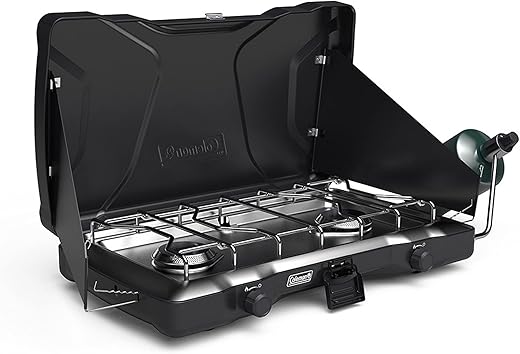
Pitch the tent while there’s light so I can set stakes properly and adjust guylines for expected conditions.
Set my sleeping system with insulation beneath, a snug pad to stop rolling, and clothes at my pillow to block drafts.
Create a tidy cooking area a safe distance downwind and establish a clear path between tent and stove to minimize tripping.
Hang food or use a bear canister where required and bag toiletries so all scents are secured.
Keep a small consistent light handy and keep spare batteries warm against my body.
Walk the perimeter to memorize exits and landmarks—once, knowing the nearest drain saved my gear.
Tidy before sleep to avoid inviting animals.
Cook Efficient Meals — Eat Well, Pack Light
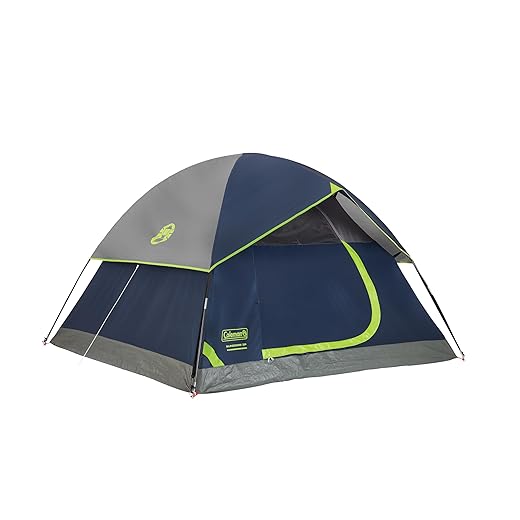
I eat like I’m on a mini-adventure — simple one-pot meals, comfort without fuss. Curious how I do dessert?Keep meals simple and satisfying so I spend more time enjoying the surroundings than cooking.
Pack quick-cook grains, dehydrated meals I trust, and a few fresh items that travel well (apples, carrots, hard cheese).
Plan easy breakfasts and one-pot dinners—oats, couscous + tuna, or pasta with olive oil—to reduce dishes and fuel.
Practice fire safety: check bans, create a designated ring only if allowed, and keep water and a shovel nearby.
Shield the stove from wind and use a windscreen sparingly to save fuel.
Tidy cooking waste immediately: double-bag trash, pack scraps out, and reseal food to avoid critters.
Clean cookware thoroughly after meals and keep tea/coffee minimal but comforting—instant coffee or a few tea bags lift morale.

Stay Safe and Self-Reliant
I keep safety simple — navigation, water, and a tiny first-aid kit. Want confidence without overpacking?Carry a map, compass, and a GPS backup and learn to use them; practice a simple triangulation and waypoint navigation at home before the trip.
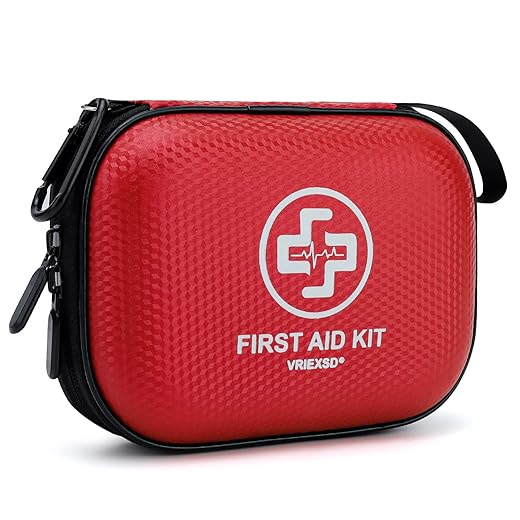
Pack a concise first-aid kit tailored to common issues I face:
Treat water from uncertain sources—filter or chemically treat, and carry a spare 1L collapsible bottle for emergencies (I use a Sawyer Mini or tablets).
Monitor energy and hydration: eat small snacks, sip often, and slow the pace when tired or hot.
Watch the weather and move to shelter early if storms build.
Check in at agreed intervals when solo (text, call, or use a satellite messenger).
Review potential emergencies each night so I wake prepared.
Leave No Trace and Reflect
I always leave places better than I found them — why that small habit transforms future trips.Sweep the area for micro-trash. Check under rocks, logs, tent flaps, and crevices — I once found a sandwich bag behind a root. Pack out all food scraps and wrappers; double-bag smelly items to keep wildlife away.
Take a last look and leave the site as good or better than you found it.

Make It Yours
I follow these steps to simplify trips, stay comfortable, and minimize impact; try them, adapt to your style, then share your results — start your next camping trip today now.